Services
Home security
Available in both wired and wireless configurations, surveillance cameras can be used in several different ways as part of an overall security system.
Typical uses include monitoring:
- Hard to see or distant areas of your property
- Remote buildings like garages, barns, and workshops
- Entry points, both exterior and interior, like garage doors and front doors
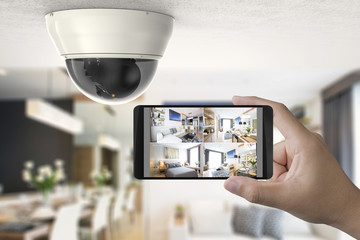
Surveillance cameras can be accessed remotely on computers, smartphones, and tablets. They are often used in this method when homeowners are out of town, to watch for deliveries and other service personnel like housekeepers and garden service, and to monitor the arrival of children after school. They can also be used to record any security breaches, which could result in having footage of a home invasion, including a good look at the burglars and perhaps even the vehicle they drove.
business security
A good video surveillance system is important for almost any business. After all, it’s difficult to be profitable if you can’t protect your assets.
Video surveillance systems have come a long way from fixed security cameras. This technology now functions as miniature computers, offering features such as motion sensors and automatic mobile notifications. There are also newer, more efficient ways to manage and store recordings, allowing business owners easy access to past videos.
Small business owners now have access to immensely powerful video surveillance systems at relatively affordable prices. An average video surveillance system for a business will cost around R15,000, depending on what type of system you are using, the number of cameras, building size and other factors unique to your business.
When it comes to buying and implementing a new video surveillance system, you can tailor a system to your business’s needs. Whether you need a widespread system that covers multiple locations or just a few cameras to watch your stock or storefront, there’s a solution for everyone.
home entertainment
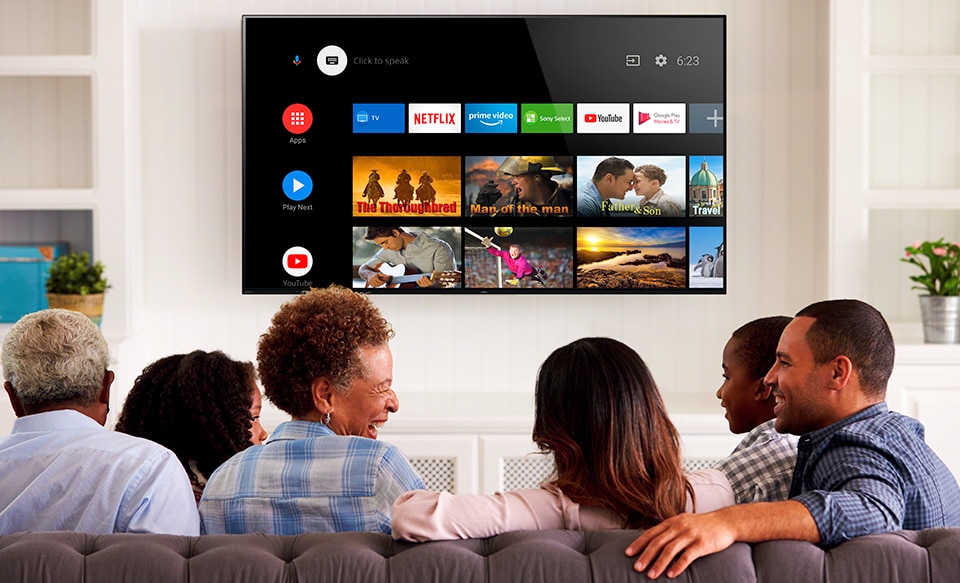
Android TV can be classed as disruptive technology; a disruptive technology is where a new technology comes along and shakes up an industry, the industry in question is the satellite TV company.
We were all brought up with TV channels. We would use the remote and flick between channels. How many times did we curse that, as Bruce Springsteen wrote, ‘There’s 57 Channels and Nothin’ On’?
Imagine a world of TV or Music at the touch of a button. Although unthinkable a few years ago, now with Broadband getting better and better the world of TV and Music can now be in every home: TV and Music where you choose the content, where you choose what to watch when you want; you will not only be the master of the remote control but the director of the viewing content.
Even if you are not in the mood for TV or Music you can also use your Android TV Box to turn your TV into a giant monitor where you can browse the internet, read the news on line, shop on line, check your social media, send emails or get lost in a world of You Tube. The world is your oyster.
anything solar
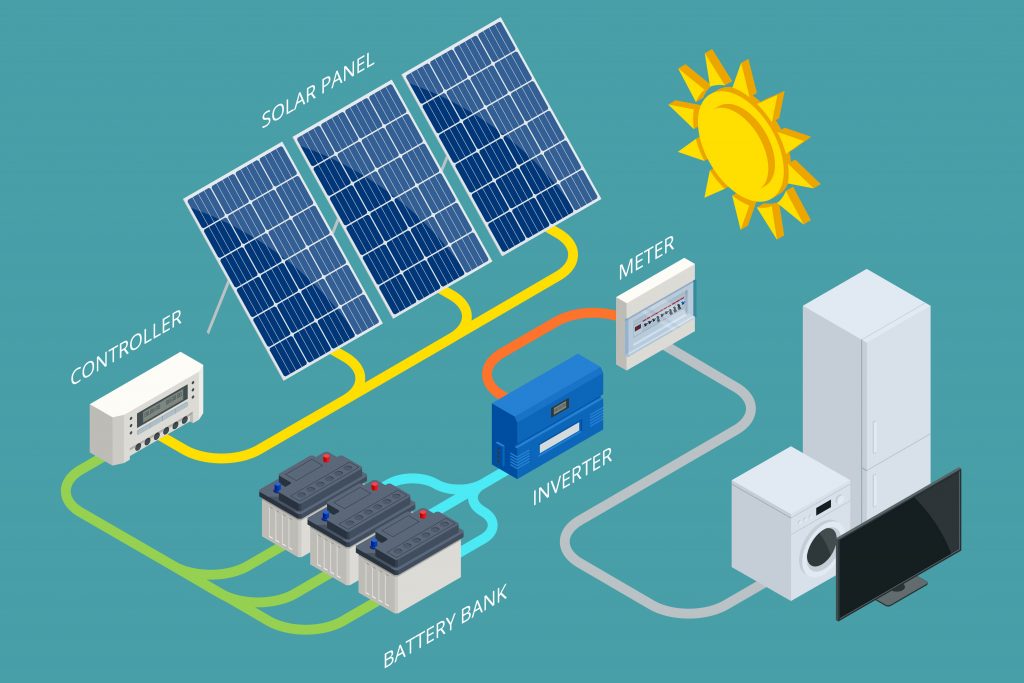
The main advantage is that it is a renewable, clean source of electricity. Solar power is also scalable. When most people think of adding solar power to their home, they think big. They think a sea of solar panels covering the roof, soaking up enough sun to power the whole house day after day. They think full replacement of grid power on a daily basis, a greener home, and a smaller carbon footprint. And they think thousands of rands up front….
Like dipping your toe into a pool, you can start with a small solar system. For some, that means only getting enough solar for a portion of their home, and for others, it’s a first step in building up a full system, using smaller increments over a long period of time.
Here are a three great reasons for starting with a small solar system:
1. Small solar = less thinking
When you’re installing a full residential or commercial solar system, you have a lot of work to do up front. You have to collect energy usage records, make sure you know the exact size of your home and your roof, and figure out how much energy your system will need to produce each day to meet all your needs. Plus, you have to research installers and find the best price. But if you’re starting small — adding just a few panels at the outset — the planning really comes down to finding who you want to install it, and what price you’re comfortable paying.
2. Reduce the cost of solar to meet your budget
Start with just a few solar panels, and you may find it easier to keep costs under control. If you don’t feel comfortable with the financing options or simply don’t feel like putting down thousands of dollars for a full system, starting with a small solar panel array and building it up as you go may make sense, and save you cents.
3. Think beyond the roof
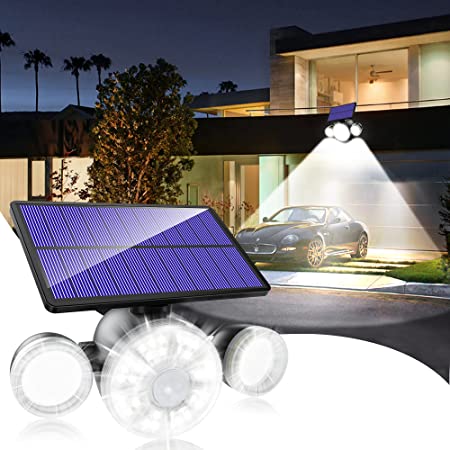
Small solar systems don’t have to be just for offsetting part of your home’s solar production. With just one or two panels, you can pick and choose what part(s) of your property to serve — from a standalone shed or greenhouse to a portion of or your entire home.

F.A.Q.
CCTV image quality is closely related to lighting conditions; consequently, lighting is a major consideration of any installation. Despite the option of IR (Infra-Red) cameras that ‘see in the dark’, they only have a limited range and their operational effectiveness is restricted. To ensure the best performance of CCTV and the capture of high quality images, lighting conditions need to be optimised.
There is the capability to meet a wide range of budgets. For example, CCTV cameras range in price from about R350 to around R100,000. The governing principle is to understand what you want to achieve with the system and then obtain quotes for one that brings together the right components that make it fit for the purpose you intend.
Value rather than lowest cost is the foremost objective of many buyers. Maintenance and support, as well as hardware, software and installation costs should all be factored in when trying to determine the supplier that offers the best value.
IP CCTV supports a Lower Total Cost of Ownership (TCO) through remote monitoring of camera operation and reduced maintenance. HD cameras with up to 30 megapixel resolution, and remote control of zoom and direction of view, enable system consolidation by reducing the number of cameras required.
Try to buy the best value for money CCTV surveillance camera system within your personal or business budget. It’s always wiser to invest in a good quality, small, entry level system that allows you to add more cameras later on, than to rush out and buy an unbranded cheap camera, that could lead to buyer’s remorse.
A reputable security company will be able to offer you a range of camera and recorder options made by reliable manufacturers, including brands such as Hikivision, Axis, Sunell, Secequip, Visionline, Dahua, Samsung and Honeywell.
Before selecting a CCTV surveillance camera for your home or business, seek the advice of a professional. They will be able to assess your property and show you recorded footage from different types of cameras, that will enable you to get the full picture on quality and pricing before you commit to a decision.
Grasping the wide range of camera technology on the market can take some time and there is so much more the latest cameras can do to enhance security. Would you like to know more about advanced capabilities or do you have any questions regarding how CCTV surveillance cameras can enhance your home or business’s security system?
Our sales and technical professionals are available to assist with any questions related to CCTV surveillance cameras, and can be reached on 081 470 4441.